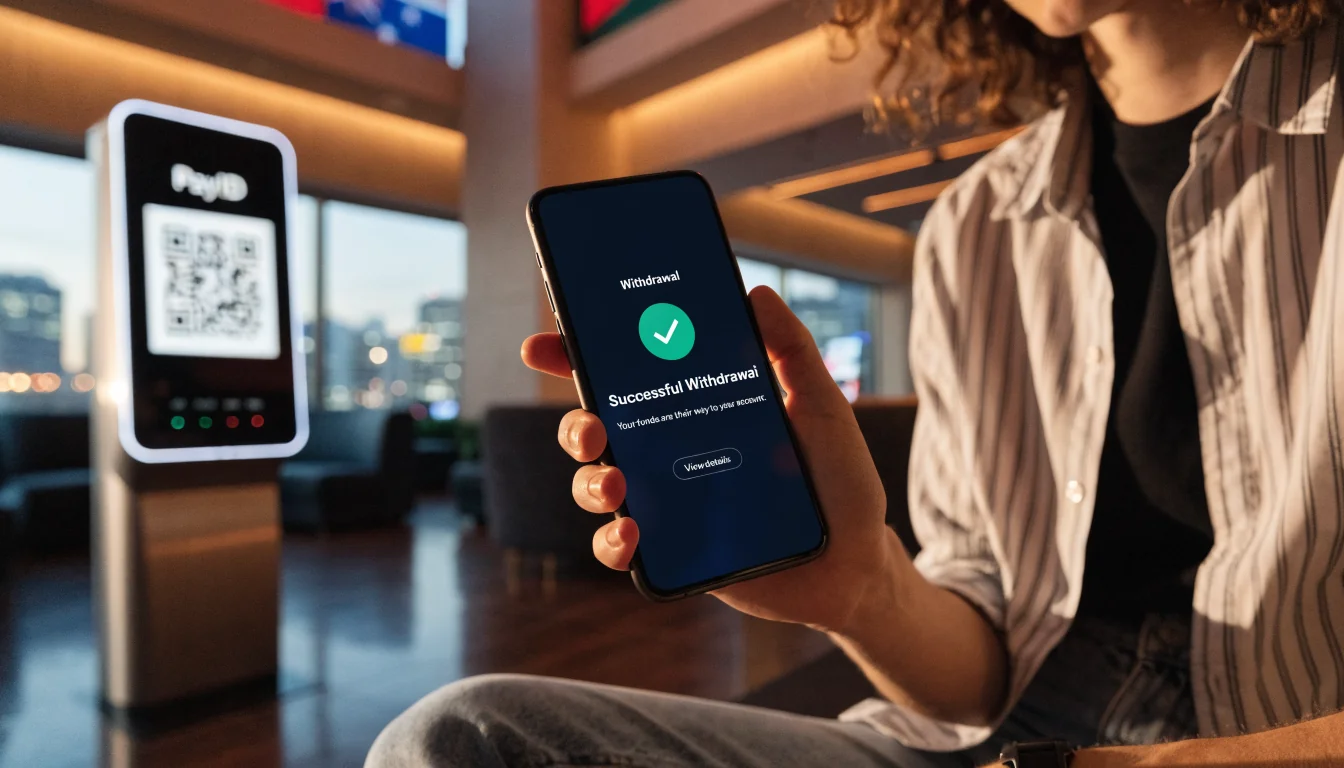
Casinos That Accept Tether (USDT) in Australia
 Available in AU
- Which Australian casinos accept Tether (USDT) in 2026
- Playing online with Tether in Australia
- How to assess the “best” Tether casino for Australian players
- Top live‑dealer and instant‑withdrawal features for Tether casinos
- Tether slots, bonuses and deposit incentives
- Game types you can enjoy with Tether
- Live dealer crypto experience with Tether‑accepting casinos
- Playing slots with Tether: what to expect
- Depositing and withdrawing Tether at Australian‑friendly casinos
Which Australian casinos accept Tether (USDT) in 2026
The honest answer sits somewhere between "yes" and "not from here." No casino is licensed to operate inside Australia and accept Tether from an Australian address — that’s not a gap in the market, it’s the law working as intended. The Interactive Gambling Act 2001 makes it a criminal offence for an operator, anywhere in the world, to supply online casino games to someone physically located in Australia. Slots, roulette, blackjack, live tables — all of it falls under that ban when the operator is the one doing the supplying.
What the law doesn’t touch is the player. I’ve had this conversation more times than I can count with people convinced they’re doing something risky by logging into an offshore site. They’re not. The Act was written to go after the businesses running the games, not the person clicking play from a couch in Brisbane. There’s no domestic licence for online casinos in Australia because the activity itself can’t be licensed here — so every casino that does take Australian players, USDT or otherwise, is doing so from outside the country, under a licence issued somewhere else entirely.

That’s the part that trips people up when they hear "regulated." Australia doesn’t have one gambling regulator sitting over everything. Sports betting and lotteries answer to state and territory bodies, and federally the Australian Communications and Media Authority enforces the Interactive Gambling Act — but ACMA’s job is to act against illegal operators, not to license or vet the offshore casinos Australians actually use. There’s no local list to check an operator against, because the operator was never meant to be here in the first place.
Where Tether fits into this
Tether itself isn’t the grey area — it’s the plainest part of the equation. Cryptocurrency is legal in Australia and sits under the oversight of AUSTRAC, the same body that watches conventional financial transactions for money laundering risk. Buying USDT, holding it, moving it to an exchange or a wallet — none of that is a gambling question at all. It’s a financial one, already answered.

Where the two threads meet is at the casino’s cashier page. An offshore operator accepting Tether from an Australian player isn’t doing anything the Interactive Gambling Act didn’t already anticipate — the Act criminalises the supply of the games, not the currency used to fund them. Whether someone deposits in Australian dollars through a card or in USDT through a wallet address changes nothing about where the legal exposure sits. It still sits with the operator, and the operator is already outside Australian jurisdiction by design.
I say this plainly because a lot of sites talk around it, hedging with phrases like "check your local laws" as if the answer changes by postcode. It doesn’t. For an adult player in Australia, the legal risk of using Tether at an offshore casino is effectively zero. Not "low." Zero, in the sense that no prosecution has ever been built against a player for doing exactly this.
So which casinos actually take it
The honest constraint here is that no domestically licensed real-money online casino exists for Australians to use — full stop. Every operator that accepts Tether from Australian players is licensed offshore, under jurisdictions that permit online casino gaming and allow crypto payment rails. That’s the entire category: offshore-licensed platforms, wallet-funded, built around USDT deposits and withdrawals rather than local banking rails.
That structure explains why "which casino" is the wrong first question. The better one is what the operator’s licence actually covers, how it handles verification, and whether its Tether processing matches what it claims — because the licence sitting in the footer isn’t the Australian regulator’s stamp of approval; it can’t be, since that stamp doesn’t exist for this activity. It’s a different authority entirely, doing a different job.
None of this is a loophole. It’s the shape the law was built in — a Commonwealth statute aimed squarely at suppliers, sitting alongside a patchwork of state and territory rules that were never designed to reach into a wallet address. Tether didn’t create that gap. It just turned out to be a convenient way to move money through it.
Legal Risk
Supplying online casino games to Australian players is a criminal offence, so any operator offering Tether deposits to Australians does so from outside Australian jurisdiction.
Who this doesn’t apply to
One thing worth being blunt about: none of the above is a green light for anyone under 18. Australian players must be at least 18 to gamble online, and that age floor doesn’t move because the deposit method changed from a debit card to a crypto wallet. If anything, the pseudonymity that makes Tether attractive to adult players is exactly why age checks at the point of account verification matter more, not less.
What follows in the rest of this piece is about the practical side of using Tether once someone’s already old enough and already decided to play — speed, fees, what a deposit actually looks like on the other end. This section was only ever about the "can I" question. The short version: yes, from outside Australia’s licensing net, using a currency the country already treats as legal, at an age it already sets at 18.
Playing online with Tether in Australia
The first time I moved USDT into a casino wallet, I kept refreshing the balance like it owed me money. Old habits from bank transfers, where you wait, then wait some more, then call someone to ask where your money went. With Tether, that anxiety turns out to be misplaced. According to one industry review of deposit behaviour, USDT deposits usually confirm within 5 to 15 minutes — and in practice that window is mostly the blockchain doing its job, not the casino sitting on your funds.
That distinction matters more than it sounds. With a bank transfer or a card payment, delay is often institutional: fraud checks, batch processing, a payment provider deciding your transaction needs a second look. With Tether, the delay is just network confirmation time. Nobody at the casino is deciding whether to let your money through. The blockchain either has enough confirmations or it doesn’t, and once it does, the balance shows up. There’s no queue, no "processing" screen that means nothing, no customer support ticket to check why a deposit vanished for three days.
Why the network you pick changes the experience
Not all Tether transfers cost the same or move at the same pace, and this is where a lot of players get caught out on their first deposit. Tether exists on several blockchain networks, and TRC‑20 has become the default recommendation on Australian gambling forums for a reason: it’s cheap. Typical network fees for Tether transfers sit somewhere between one and five dollars, but TRC‑20 transactions often land under a dollar. Compare that to what you’d pay moving the same value across a different network, or the cut a card processor takes on a currency conversion, and the gap explains why "TRC‑20" gets mentioned so often in threads about crypto casinos rather than just "USDT."
I made the mistake once of sending funds on the wrong network to a wallet that only expected TRC‑20. Nothing happened — the transaction didn’t fail loudly, it just didn’t arrive, because the address format was fine but the network wasn’t. That’s the sharp edge of "decentralised and fast": there’s no institution to call and no override button. Every wallet and every casino cashier page will show which network it expects, and that field is not optional reading. It’s the whole transaction.
Cheapest option, usually under $1 fee, fast confirmations and the network most recommended on Australian gambling forums.
Higher fees (around $1‑$5), slightly slower confirmations, still widely supported but less cost‑effective for small deposits.
What "instant" actually means at the withdrawal end
Deposits are the easy part of this story. Withdrawals are where a payment method proves whether it’s actually fast or just fast-sounding in marketing copy. According to the same review, withdrawals of Tether can be processed in under an hour at operators that specifically brand themselves around instant payouts. That’s a real difference from fiat withdrawals, where "processing time" is a euphemism for however long the operator’s finance team takes to approve it, separate entirely from how long the bank then takes to move it.
The catch — and there always is one — is that "under an hour" describes the top end of instant-withdrawal casinos, not the category as a whole. The blockchain itself doesn’t care about your withdrawal request; it confirms in minutes regardless of which casino you’re using. What actually varies is how long the operator sits on the request before releasing it, and that’s a business decision, not a technical one. A casino that says instant and means it releases the transaction the moment your identity checks are done. One that says instant and means "usually within a business day" is using the word differently.
The cost side nobody puts on the homepage
Speed gets the marketing attention, but the fee structure is where Tether actually saves money compared to fiat rails, and it’s worth being specific rather than vague about why. A card deposit or bank withdrawal often carries currency conversion costs, since most Australian-facing offshore casinos price in US dollars. Every conversion back and forth from AUD nibbles at the total. USDT sidesteps that because it’s already a US-dollar stablecoin — a token pegged 1:1 to the US dollar — so there’s no currency spread hiding inside the transaction. What’s left is just the network fee, and on TRC‑20 that’s the smallest number in the whole equation.
Minimum withdrawal amounts are worth checking before depositing, not after. Minimums for Tether withdrawals are often somewhere in the $10 to $20 USDT range depending on the operator, which is low enough that it rarely gets in the way, but it’s still a number that differs from site to site and isn’t something a network fee schedule will tell you. The cashier page will.
One thing that doesn’t change, regardless of speed
None of this changes what a blockchain transaction is once it’s sent. There’s no reversal button. No chargeback department, no "dispute this transaction" form, no bank that can claw funds back if you fat-finger a wallet address or send on the wrong network. A card payment gone wrong is a phone call. A Tether transaction gone wrong is gone.
That’s the trade sitting underneath all the speed and low fees: the system that removes delay also removes the safety net that delay used to provide. Worth knowing before the first transfer, not after.
Crypto transactions cannot be reversed; sending funds to an incorrect address or on the wrong network results in a permanent loss with no charge‑back option.
How to assess the “best” Tether casino for Australian players
"Best" is doing a lot of work in that phrase, and most of the time nobody checks it. Somebody ranks ten sites, calls the top one "best," and moves on. I’ve sat on the other side of that process. The list gets built to match whichever operator pays the most per signup, not whichever one actually treats a USDT deposit properly. So instead of handing over a ranking, here’s what I’d actually check, because these are the things that separate a casino worth using from one that just says the right words on a landing page.
Stability of the payment rail, not just the coin
Tether itself is a stablecoin pegged 1:1 to the US dollar, so the currency risk is already handled before it reaches the casino. That part isn’t the variable. What varies is what the operator does with it after it lands — how quickly it’s credited, whether it sits in a pending state for no stated reason, whether the wallet address changes between sessions without warning. A casino that’s serious about Tether treats the deposit like cash arriving in an account, not like a token it needs to "process" on its own schedule.
Speed, and knowing what normal actually looks like
According to one industry review of operator terms, Tether deposits usually confirm within 5–15 minutes. That’s a network confirmation window, not a marketing promise, and it gives you something to measure against. If a site takes noticeably longer with no explanation, that’s not "just how crypto works" — it’s the operator sitting on your money. The same review noted that withdrawals can be processed in under an hour at operators built around instant withdrawal. Under an hour is a genuinely different experience from the two-to-five-business-day language you’ll still see attached to card payments elsewhere. When I’m sizing up a site, this is the number I actually watch: not the deposit, which almost every operator gets right because it’s in their interest to, but the withdrawal, which tells you whether they’re built for speed or just advertise it.
Security and anonymity — real terms, not vague comfort
Tether betting gets recommended specifically for security, reliability, and anonymity, and it’s worth being precise about what that means rather than treating it as a slogan. Security here is about the payment method itself: no card number sitting on a server somewhere, no bank statement line item to explain. Anonymity is relative — you’re still identifying yourself to the casino if it asks, but you’re not routing the transaction through a bank that logs every gambling-related debit. None of that is a substitute for actually checking who operates the site and where they’re licensed. It’s a property of the payment method, not a verdict on the casino.
What a wallet check actually catches
Before trusting a site with a deposit, I look at how it handles the wallet side of the transaction — whether it clearly states which network to use, whether the address is displayed with enough detail to verify, whether there’s a warning that sending funds through the wrong network or to a mistyped address is unrecoverable. There’s no undo button on a blockchain transaction. A site that treats that reality casually, that buries the network selection somewhere unclear, is telling you something about how carefully the rest of its operation is run.
Before sending a Tether deposit
- Confirm the required network (TRC‑20, ERC‑20, etc.) matches the casino’s specification.
- Double‑check the wallet address character by character.
- Complete identity verification early to avoid withdrawal delays.
Bonus terms you can actually read before you play
Bonuses are the easiest thing to fake enthusiasm about and the hardest to verify from outside. A "generous welcome bonus" is not a fact, it’s copy. What matters is whether the wagering requirements, the maximum bet while a bonus is active, and the games that count toward clearing it are all stated plainly before you deposit — not discovered afterward in a terms page nobody reads. If a site won’t show you those terms until after you’ve funded the account, that’s the answer already.
A practical checklist
| Criterion | What to actually look for |
|---|---|
| Deposit speed | Credited within the confirmation window stated by the operator, without unexplained delay |
| Withdrawal speed | Genuinely fast processing, not just marketed as “instant” |
| Network clarity | Correct network clearly labelled before you send funds |
| Bonus terms | Wagering requirements and restrictions visible before deposit, not after |
| Communication | Support that can explain a delay in specific terms, not a copy-paste apology |
None of this replaces checking who actually runs the casino and under what licence. That’s a separate question, and a more important one — but it’s not what "best" usually claims to measure. What I’ve described here is narrower: given two sites that both accept Tether, which one is actually built around it rather than just bolting it onto a card-payment system as an afterthought. That’s a fair question to ask. It’s just not the same question as whether you should be playing there at all.
Anonymity, speed, a peg to the dollar — useful properties. Not a substitute for due diligence.
Top live‑dealer and instant‑withdrawal features for Tether casinos
If you’re looking to deposit and withdraw with Tether (USDT) at an online casino in 2026, it helps to know how each operator handles crypto speed, bonus terms, and licensing before you sign up.
Bonus: up to A$750 + 50 jackpot spins, 35x wagering · Payout speed: crypto ~90 minutes, fiat 1-5 days · Min. deposit: A$30 Kingmaker pairs a sizeable welcome bonus with jackpot spins, and its crypto payouts land in around 90 minutes, making it a solid pick for USDT users who want fast turnaround on a modest deposit.
License: Curacao Gaming Control Board OGL/2023/174/0082 (Dama N.V.) · Bonus: up to A$5,000 + 300 free spins across 4 deposits SpinsUp operates under a Curacao Gaming Control Board licence and spreads a large bonus package across multiple deposits, giving newcomers an extended welcome offer to work through.
License: Curacao Gaming Control Board OGL/2023/176/0095 (Hollycorn N.V.) · Bonus: up to A$11,000 + 300 free spins (code NEO100) Neospin is Curacao-licensed and offers one of the bigger bonus packages on this list, including a bundle of free spins unlocked via a specific code.
License: Curacao Gaming Control Board OGL/2023/176/0095 (Hollycorn N.V.) · Bonus: 100% up to A$10,000 + 100 free spins GoldenCrown holds a Curacao Gaming Control Board licence and backs its welcome offer with a straightforward percentage match plus free spins.
Bonus: up to A$7,500 + 550 free spins across 10 deposits, 50x wagering · Payout speed: crypto under 1 hour, PayID 1-3 business days · Min. deposit: A$20 (A$30 to qualify for the bonus) Ricky Casino stands out for its multi-deposit bonus structure and near-instant crypto withdrawals, with PayID offered as a fiat alternative for those who prefer it.
License: Curacao Gaming Control Board (TechSolutions Group N.V.) · Bonus: 100% up to A$250 + 100 free spins (1st deposit) Bizzo Casino is licensed through Curacao and keeps its first-deposit bonus modest but clear, pairing a percentage match with a set number of free spins.
License: Curacao eGaming (Roby Games Ltd) · Bonus: 100% up to A$750 + 200 free spins Roby Casino runs under a Curacao eGaming licence and offers a first-deposit match bonus alongside a solid batch of free spins.
License: Curacao eGaming (Dama N.V.) · Bonus: up to A$10,000 + 180 free spins, 40x wagering JeetCity Casino, licensed via Curacao eGaming, offers one of the higher bonus ceilings on this list along with free spins, subject to its wagering requirement.
Bonus: 100% up to A$750 + 200 free spins, 35x wagering · Payout speed: crypto 30-120 minutes, fiat 24-72 hours · Min. deposit: A$30 MrPacho combines a first-deposit bonus with free spins and delivers crypto withdrawals within a couple of hours, making it convenient for USDT depositors on a lower budget.
License: Curacao OGL/2024/1335/0780 · Bonus: up to A$1,000 + 150 free spins, wager-free · Min. deposit: EUR 20 Vegaz Casino holds a Curacao licence and offers a wager-free bonus structure, which stands out for players who want to avoid rollover requirements.
Two features get named constantly in reviews and forum threads: how fast the withdrawal clears, and whether the live tables feel like a real room instead of a laggy webcam feed. They’re worth separating from the general "is this a good casino" question, because a platform can tick every box on reputation and licensing and still make a player wait, or run a live dealer setup that feels like an afterthought.
What makes a withdrawal function "instant"
The number that matters isn’t the marketing claim, it’s the confirmation window. By one industry review’s account, withdrawals at operators built around fast processing can clear in under an hour — a very different experience from fiat rails, where a bank transfer can sit in review for days. That hour figure came from a single source looking at a specific set of platforms, so treat it as a benchmark to check against an operator’s own terms rather than something guaranteed everywhere USDT is accepted.
What actually produces that speed, in practice:
- Automated approval for verified accounts. Once identity checks are done, the payout doesn’t sit in a manual queue waiting for a staff member to click approve.
- Network choice. A withdrawal routed through a fast, low‑fee network clears differently than one forced through a congested one — this is a setting the operator controls, not something the player can override after the fact.
- No artificial holding period stacked on top of network confirmation. Some sites add their own delay “for security” that has nothing to do with blockchain confirmation times. That’s a house policy, not a technical limit.
None of this is guesswork dressed up as a feature — it’s the same three mechanical things every time, and any operator claiming "instant" withdrawals should be able to explain which of them applies.
What a live‑dealer room needs to get right with crypto
Live dealer games weren’t built with cryptocurrency in mind — they were adapted. The tell of a good adaptation is that the crypto layer disappears: balance updates in real time as USDT, bets settle without a currency‑conversion step interrupting the flow, and the stream itself runs at the same quality whether the player funded the table with a card or a wallet. A platform that makes players feel like their crypto balance is a second‑class citizen — slower updates, a separate cashier flow, fewer live tables actually open to crypto accounts — hasn’t really integrated the payment method, it’s bolted it on.
Security is the other side of "live." A dealt card and a spun wheel are already verifiable on stream. What crypto adds is a payment trail that’s transparent by nature — the transaction itself is recorded on‑chain — which is part of why Tether betting gets recommended specifically for security and reliability alongside the anonymity it offers compared with card payments tied to a bank identity.
Reading the two together
Fast withdrawals and solid live tables aren’t the same feature, but they tend to come from the same place: an operator that built its systems around crypto rather than retrofitting a fiat cashier to accept it. A casino advertising instant payouts while running a thin, low‑table live section is telling you where the investment actually went. Worth checking both before assuming either one.
None of this changes the deposit or verification requirements covered elsewhere — instant withdrawal still means after identity checks are complete, not instead of them.
Tether slots, bonuses and deposit incentives
Slot bonuses built around Tether work on the same skeleton as any fiat welcome offer — match percentage, wagering multiplier, a cap on eligible games — but the funding leg underneath is different, and that difference shapes how the whole thing feels in practice.
Fund an account with USDT and, according to one industry review of operator terms, the deposit usually clears within 5–15 minutes. That’s fast enough that a welcome bonus can be claimed and spent in the same sitting instead of the account sitting idle overnight waiting on a bank rail. Casinos know this. It’s why a lot of "instant" bonus language on crypto-friendly sites is technically true rather than the usual marketing padding — the money genuinely moves quickly, even if the wagering conditions attached to it don’t move any faster than they do anywhere else.
What "deposit incentive" actually means here
Strip the branding and a Tether deposit bonus is one of three things:
- A percentage match added to the deposit, unlocked through wagering.
- A fixed credit for funding in USDT specifically, sometimes distinct from the fiat-equivalent offer.
- Free spins on a set slot pool, tied to a minimum deposit rather than a percentage.
None of these are unique to crypto. What changes is the friction around claiming them. A card deposit can bounce, get flagged, sit in review. A Tether deposit either confirms on-chain or it doesn’t — there’s no intermediate "pending, please wait" state that eats into a promotional window.
No-deposit offers, read carefully
"No deposit" bonuses attached to Tether accounts exist, but the word "free" in front of any crypto spin offer deserves the same scrutiny it gets everywhere else. The spins or credit might cost nothing to claim; the withdrawal of anything won from them still runs through the operator’s standard verification and wagering rules. Tether doesn’t change that gate — it only changes how fast money moves once you’re through it.
Withdrawing what a slot bonus produces
This is where the currency choice actually matters to the player, not just the operator. At casinos offering fast USDT payouts, cash-outs can reportedly clear in under an hour once a withdrawal request is approved — a figure that comes from a single operator disclosure rather than a market-wide guarantee, and varies by platform and by how busy the network is at that moment. Minimum withdrawal thresholds on USDT are commonly set in the ten-to-twenty-dollar range, low enough that a modest slot win doesn’t get stuck below the floor.
Network fees sit on top of this. Typical Tether transaction costs run from a dollar to five dollars depending on which blockchain the casino uses to move it — TRC-20 transfers tend to stay under a dollar, ERC-20 tends to run higher. A bonus that looks generous on the surface is worth less if the payout rail eats into it every time funds move. Worth checking before depositing, not after cashing out.
"Deposit incentive" is the phrase operators use. What it buys is speed and a lower toll on the way out. It doesn’t buy easier wagering terms, and nobody offering Tether slots pretends otherwise in the fine print — only in the headline.
Game types you can enjoy with Tether
Once a wallet is funded, USDT sits in the cashier the same way a fiat balance would. Nothing about the game library itself changes — what changes is what the balance is made of. Slots, table games, poker rooms, live dealers: all of it opens up to a stablecoin deposit the same way it would to a card payment, minus the card.
Slots. This is where most of the volume goes, and for good reason — the game itself doesn’t care what currency funded the spin. A USDT balance behaves identically to a dollar balance at the reel level. The only place currency matters is the cashier screen.
Blackjack and other table games. Standard variants run exactly as they would with fiat, with the tether balance simply substituting for cash at the table limits set by the operator.
Roulette. Same principle — European, American, or other variants aren’t restructured for crypto players. The wheel doesn’t know what funded the chips.
Poker. Ring games and tournaments both accept a Tether-funded bankroll. For players who’ve dealt with slow poker cashiers elsewhere, this is often the category where the difference is most noticeable, since poker bankrolls tend to move in and out more often than a slots balance.
What ties these categories together isn’t the gameplay — it’s the reason players choose USDT to fund them in the first place. Tether betting gets recommended less for convenience and more for three specific things: security, reliability, and anonymity. A stablecoin pegged 1:1 to the US dollar means the balance sitting in a slots session or a poker bankroll doesn’t swing in value the way it would if funded in a volatile coin. Reliability comes from that peg holding steady across a session, a tournament, or a longer stretch at the tables. Anonymity comes from not routing gambling transactions through a bank statement.
None of that changes the odds or the rules of any given game. A blackjack table doesn’t pay differently because the chips came from a crypto wallet. What it changes is the layer underneath the game — how the money got there and how visible that trail is afterward. For players choosing between a fiat-only platform and one that takes Tether, the breadth of games on offer is usually identical. The difference sits entirely in the cashier, not the game library.
Worth remembering before any of this: gambling categories differ by jurisdiction in ways that have nothing to do with payment method, and that’s a separate conversation from which games a Tether balance can be used on.
Live dealer crypto experience with Tether‑accepting casinos
A live dealer room doesn’t change much on the surface when Tether replaces a card. Same video feed, same dealer, same shoe of cards or wheel spinning. What changes is what happens behind the table — how the stake actually moves.
With fiat, a deposit sits with a payment processor, then the casino’s bank, then gets allocated to the table balance. Every hop is a place something can stall. With USDT, the funds move on-chain, direct to the operator’s wallet, and once confirmed they’re simply available. No processor in the middle asking questions about your card issuer’s daily limit.
That matters more at a live table than anywhere else in the casino. Blackjack and baccarat run on a clock — the dealer moves whether your balance has updated or not. A slow deposit means missed hands. A blockchain confirmation that lands in minutes, rather than sitting in "pending" while a bank does its own checks, keeps you at the table instead of refreshing a balance screen.
Withdrawals follow the same logic in reverse. At operators built around instant processing, Tether withdrawals have been reported to clear in under an hour — a figure from one industry review of "instant‑withdrawal" platforms, not a guarantee every operator matches. Still, the gap between that and a multi-day bank transfer is the whole point of using a stablecoin here.
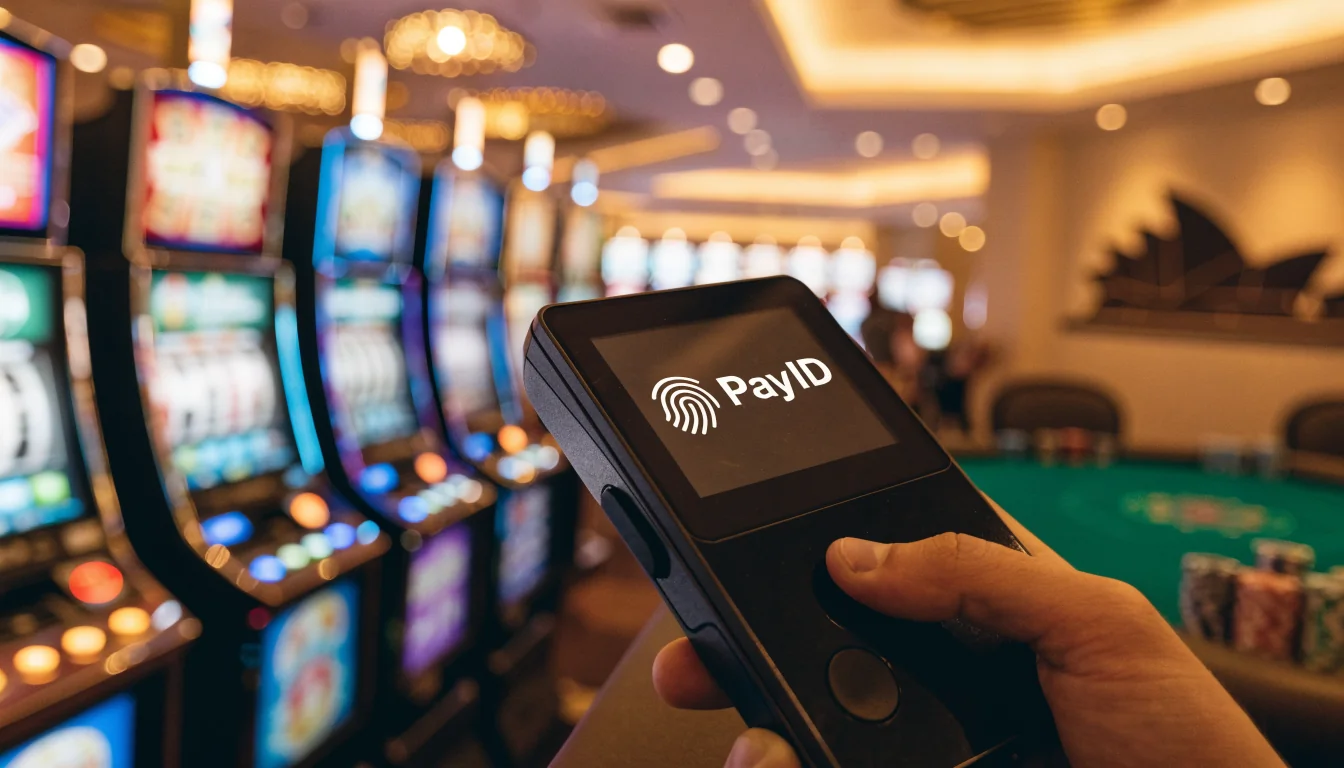
Security and privacy sit on top of speed. Tether betting gets recommended specifically for those two things — security and reliability, plus a level of anonymity fiat rails don’t offer, since you’re not handing a live dealer platform your card number or bank login. You’re sending a transaction from a wallet you control.
None of this depends on the game itself. It’s the payment rail underneath the live feed that’s different.
Once the funds are in, remember: a wrong wallet address on either end is not a support ticket — it’s gone. Crypto transactions don’t reverse.
Playing slots with Tether: what to expect
The mechanics don’t change much from any other online slot session. Pick a title, set a bet size, spin. What changes is everything around it — how the money gets there and what happens when it’s time to leave.
You fund the account, wait for the network to confirm the transaction, and the balance updates before you touch a reel. According to one industry review, Tether deposits typically confirm within 5 to 15 minutes, though this depends on network congestion and which blockchain the operator supports. That’s not instant, whatever the marketing copy implies. It’s "fast."
Fees matter more than most players notice until they check the receipt. The same review put typical Tether network costs between $1 and $5, with TRC‑20 transactions often landing under a dollar. Choose the wrong network and a small deposit can lose a meaningful chunk to fees before a single spin happens. Worth checking which chain the casino actually supports before sending anything.
"Provably fair" gets attached to a lot of crypto slot marketing. On some platforms it means the game’s random number generation can be independently verified against a cryptographic seed. On others it’s a badge with nothing underneath it. Read what the term is backed by, not just where it’s printed.
Mobile apps and browser play both work the same way at the wallet level — you’re still confirming a blockchain transaction, not swiping a card. The interface is quicker.

The transaction itself.
Not the game outcome.
Depositing and withdrawing Tether at Australian‑friendly casinos
A deposit is the easy half of the cycle. Send USDT to the wallet address the cashier gives you, wait for network confirmations, and the balance shows up — one industry review clocked this at 5 to 15 minutes, though the exact window depends on network congestion and how many confirmations the operator requires before crediting funds. Nobody publishes a universal number here, and treating any single figure as guaranteed is how people end up refreshing a balance page for longer than they’d like.
Withdrawals are where the cashier’s real character shows. Some operators batch payouts manually and review them against KYC before release; others push USDT out automatically once verification is done. The same review found top instant‑withdrawal casinos processing payouts in under an hour — a useful benchmark, not a promise any specific site will match it. Verification itself isn’t optional: identity checks before the first payout are standard practice, and a casino skipping that step is a warning sign, not a convenience.
Fees sit on the network side, not the casino’s. Reported ranges run from $1 to $5 depending on the chain, with TRC‑20 transfers often coming in under a dollar — one reason it’s become the preferred rail for USDT deposits here over slower, pricier alternatives. Minimum withdrawal thresholds, per the same source, typically fall between $10 and $20 USDT, which matters if you’re cashing out small balances rather than a full session’s winnings.
Before you send anything
- Confirm the network (TRC‑20, ERC‑20, or other) matches on both ends. Mismatched networks don’t bounce back — they’re gone.
- Double‑check the wallet address character by character. Crypto transactions are irreversible; a single wrong digit means permanent loss, with no bank to call.
- Complete ID verification early, not at withdrawal time, so a payout doesn’t stall waiting on documents.
None of this replaces reading the operator’s own terms. Fee schedules and minimums change between casinos and between updates — what one review measured last quarter won’t necessarily hold today.
Prepared by the Casino Rankings Info editorial staff.