
Real Money Pokies Australia App: What the Law Actually Says
 Available in AU
- Real‑Money Casino Apps in Australia: Landscape and Legal Framework
- Pokies (Electronic Gaming Machines) in Australia: Market Size and Regulatory Context
- Mobile Slot Apps for Real Money: How They Fit into the Australian Market
- What Makes a Real‑Money Casino App the ‘Best’ in Australia
- Choosing the Top Real‑Money Slot Apps: Key Features to Look For
- Online Casino Apps vs. Traditional Platforms: Advantages for Australian Players
- Slot Apps That Actually Pay: Understanding Payout Mechanics and Risks
- Finding the Most Profitable Slot Machine Apps: Factors that Influence Wins
- Defining the Best Real‑Money Casino App: Core Criteria and Player Benefits
- Sign‑Up Bonuses in Australian Casino Apps: What Players Must Know
Real‑Money Casino Apps in Australia: Landscape and Legal Framework
Search "real money casino app Australia" often enough and you start noticing the pattern: glossy landing pages, app store listings that vanish and reappear under different names, forum threads asking whether an iPhone casino app that worked last month still pays out this month. I spent years on the operator side of this business, and the honest answer to "is there a real money casino app for Australia" is that the app itself is rarely the problem. The framework around it is.
Start with the law. The Interactive Gambling Act 2001 makes it an offence for online operators to offer real‑money gambling to Australian residents. Not a grey area, not a licensing gap to be closed with the right paperwork — an offence, on the operator’s side. That single fact reshapes every other question people ask about a "casino app real money" download. There is no local licence that turns an online casino, poker room, roulette wheel or slots app into a lawful domestic product. Sports betting and lotteries have their own licensing pathways through state and territory regulators. Online casino games do not, and nobody is issuing one.
So when an app markets itself as a "real money casino app Android" download, built for the Australian market, compliant, ready to go — that claim is doing more work than it should. Compliant with what? There’s no domestic casino licence to be compliant with. I’ve sat in meetings where marketing copy was drafted specifically to imply regulatory approval without ever naming a regulator, because naming one that doesn’t cover the product would be a lie that’s too easy to check. Vague reassurance survives; specific claims get fact‑checked. That’s not an accident of copywriting — it’s the whole strategy.

Who the law actually targets
A detail that gets buried under the headline restriction: the Interactive Gambling Act targets operators, not players. An Australian resident who plays at an offshore‑licensed casino app isn’t committing an offence by doing so. The offence sits with whoever is offering the service into Australia without the right to do it. This asymmetry explains why so many casino apps aimed at Australians are run from licences issued somewhere else entirely — Malta, the UK, various offshore jurisdictions — and why those operators keep operating despite the local law. They’re betting, correctly in most cases, that enforcement against a player base is impractical and enforcement against an offshore entity is slow and jurisdictionally messy.
It also explains why "download our licensed casino app" is a phrase worth reading twice. Licensed where, by whom, and does that licence give the operator any standing under Australian law? Usually the answer is: licensed somewhere that isn’t Australia, and the licence tells you something about oversight in that jurisdiction, not about legality here.

Tax: the one genuinely simple part
Here’s a fact that doesn’t need qualifying: winnings from gambling in Australia are not taxed. If a player wins on a casino app, on pokies, on a bet — the Australian Tax Office isn’t coming for a share of it. This is one of the few areas of the whole landscape where the answer is short and doesn’t depend on which app, which state, or which licence is in play.
Taxation does exist in this industry, just not on the player’s side. Operators pay tax, and how much and under what structure varies by state and by the type of gambling service being offered. A pokies venue in one state answers to a different tax regime than an online sports betting operator licensed elsewhere. That variation is a genuine feature of how Australian gambling regulation works — state and territory based, service‑specific — and it’s worth knowing if only to understand why an operator’s home jurisdiction affects its economics more than most players assume. But it doesn’t touch the punter’s winnings either way.
What "compliance failure" actually costs
The legal framework isn’t just a line in a statute that gets ignored in practice. There’s enforcement machinery behind it, and the machinery has teeth that scale with the size of the operation.
Illegal Offering
Offering real‑money casino or slot apps to Australian residents breaches the Interactive Gambling Act 2001 and can result in civil fines, remediation orders and reputational damage.
Non‑compliant operators can face remedial directions, infringement notices, civil fines, and the kind of reputational damage that doesn’t show up on a balance sheet until it does. For a small operator that’s often enough to force a shutdown or a rebrand — the "app that disappears and reappears" isn’t paranoia, it’s a business response to enforcement pressure.
At the top end, the numbers get serious. An amendment to the Casino Control Act 1992 allows New South Wales casino operators to be fined up to AUD 100 million for compliance failures. That figure isn’t a rounding error or a cost of doing business — it’s a fine calibrated to matter to an operator with real turnover, and it signals how seriously the regulatory environment treats casino‑style operations once they’re inside a licensed, land‑based structure. It also throws into relief how different that world is from the offshore app economy: a licensed NSW casino operator has an address, a licence to lose, and a regulator that can reach it. An offshore casino app pushed to Australian phones typically has none of those things, which is exactly why the fine structure that applies to one has no real equivalent reaching the other.
Casino apps versus everything else that gets called "gambling"
Part of the confusion in this space comes from lumping every gambling app into one category. It’s worth being blunt about the split, because the legal treatment is not the same:
| Format | Local licence available | Typical legal status for Australian players |
|---|---|---|
| Online casino apps (slots, roulette, live dealer) | No — no domestic licence exists | Offshore‑operated; illegal for the operator to offer, not illegal for the player to use |
| Sports and racing betting apps | Yes — state/territory licensing | Legal, licensed domestically |
| Lottery apps | Yes — licensed | Legal, licensed domestically |
That table is the whole legal framework in miniature. A "real casino app real money" product sits in the first row no matter how it’s marketed, no matter what jurisdiction’s regulator logo appears in its footer, no matter how many "secure and licensed" badges are scattered across its landing screen. The badge might be real. It just isn’t a badge that Australia issued or recognises for this category of product.
I used to write copy that leaned on words like "secure," "trusted," "verified" — words that sound like a guarantee and commit to nothing. They’re comfortable words because they survive scrutiny that a specific claim wouldn’t. When an app can’t point to an Australian casino licence, because none exists to point to, the marketing has to work harder around that gap. Reading past the adjectives to the actual licensing jurisdiction is the only way to know what you’re actually downloading.

The practical shape of the landscape
None of this means casino apps aren’t reachable from an Australian phone — they plainly are, that’s why the search demand exists in the first place. It means the product a player finds is, almost without exception, operating from a licence issued outside Australia, in a legal position where the operator is the one exposed under the Interactive Gambling Act, not the player. Winnings, if they come, aren’t taxed. Compliance failures, where they happen and get caught, carry fines running into the tens of millions for the largest licensed operators — a scale that exists specifically because regulators decided the old fines weren’t a deterrent.
Understanding that framework doesn’t tell a player which app to trust. It tells them what questions the marketing copy is designed to make them stop asking.
Pokies (Electronic Gaming Machines) in Australia: Market Size and Regulatory Context
Before touching apps at all, it helps to understand what "pokies" means on this market, and why the word carries weight beyond slang. Electronic gaming machines run in every Australian state, plus the Australian Capital Territory and the Northern Territory. No jurisdiction sits outside this. Pubs and clubs are full of them, casinos too — they’re not a niche product, they’re furniture.

The scale is the part most people underestimate until they see the number written down. In the 2020‑2021 financial year, Australians placed bets worth almost AUD 150 billion on these machines. Not revenue — turnover, the total amount wagered including money that cycled back through repeated bets. Turnover always looks bigger than what anyone actually lost, and that gap is exactly where a lot of misleading marketing lives. What people actually lost that year was about AUD 12 billion. Per capita, that works out to AUD 608 for every Australian — not every gambler, every person in the country, adults and children counted in the denominator.
I’ve seen operators quote turnover figures in investor decks and let the reader assume it’s profit or loss. It isn’t. Turnover measures activity, not outcome. Keep the two apart when anyone throws a number at you.
How big is Australia’s slice of the world’s machines
Here the sources don’t agree, and I’d rather say that plainly than pick a number and hope nobody checks. One figure puts Australia’s share of the world’s pub and club poker machines at 3%. Another puts it closer to 18%. That’s not a rounding difference — it’s a six‑fold gap, which usually means the two counts are measuring different things: total machines worldwide versus a narrower category, or different reference years. I don’t have enough to resolve it, so I’m flagging it rather than quietly picking whichever number sounds better for the argument I’m making.
What both figures agree on, indirectly, is that Australia’s machine density is disproportionate to its population — whether that’s "a small slice of a huge world total" or "nearly a fifth of it," neither reading suggests a modest market.
A separate figure, more recent and worth naming its source rather than presenting as settled fact: according to complyadvantage.com, pokies generated AUD 191.2 billion in gambling turnover in 2023. That’s a single source describing a single year, and turnover again — not losses. I’m citing it as a data point from that report, not as an updated market norm that supersedes the 2020‑2021 figures above, because the two aren’t measuring identical things over identical periods.
Why pokies sit in their own regulatory lane
This is the part that matters for anyone trying to understand where an app fits. Pokies are physical machines, licensed and taxed state by state, sitting in premises that already hold liquor and gaming licences. They are not the same regulatory object as an online casino, and they are not the same regulatory object as a betting app on a phone. Conflating them is the single most common error I see in how this market gets described — usually by people trying to make an offshore casino product sound like it belongs in the same legal category as the pokies down at the local club. It doesn’t.
The physical machine’s regulatory profile is shaped heavily by cash. Pokies take coins and notes directly, dispense cash or tickets, and until recently offered very little traceability between one transaction and the next. That’s not a design flaw so much as a design history — the machines predate the compliance expectations now being retrofitted onto them.
The cash problem, plainly stated
The high volume of cash transactions moving through pokies, combined with limited traceability, makes them a genuinely attractive vehicle for laundering money — this isn’t speculation, it’s the working assumption behind the AML frameworks now being built around them. A red flag regulators and venues are trained to watch for is large or repeated cash insertions followed by minimal play and an immediate cash‑out. Put plainly: someone feeds a machine a lot of money, presses a few buttons, and walks away with a payout ticket that now looks like gambling winnings rather than what it was five minutes earlier. The machine becomes a laundering tool almost by accident of its own cash-handling design.
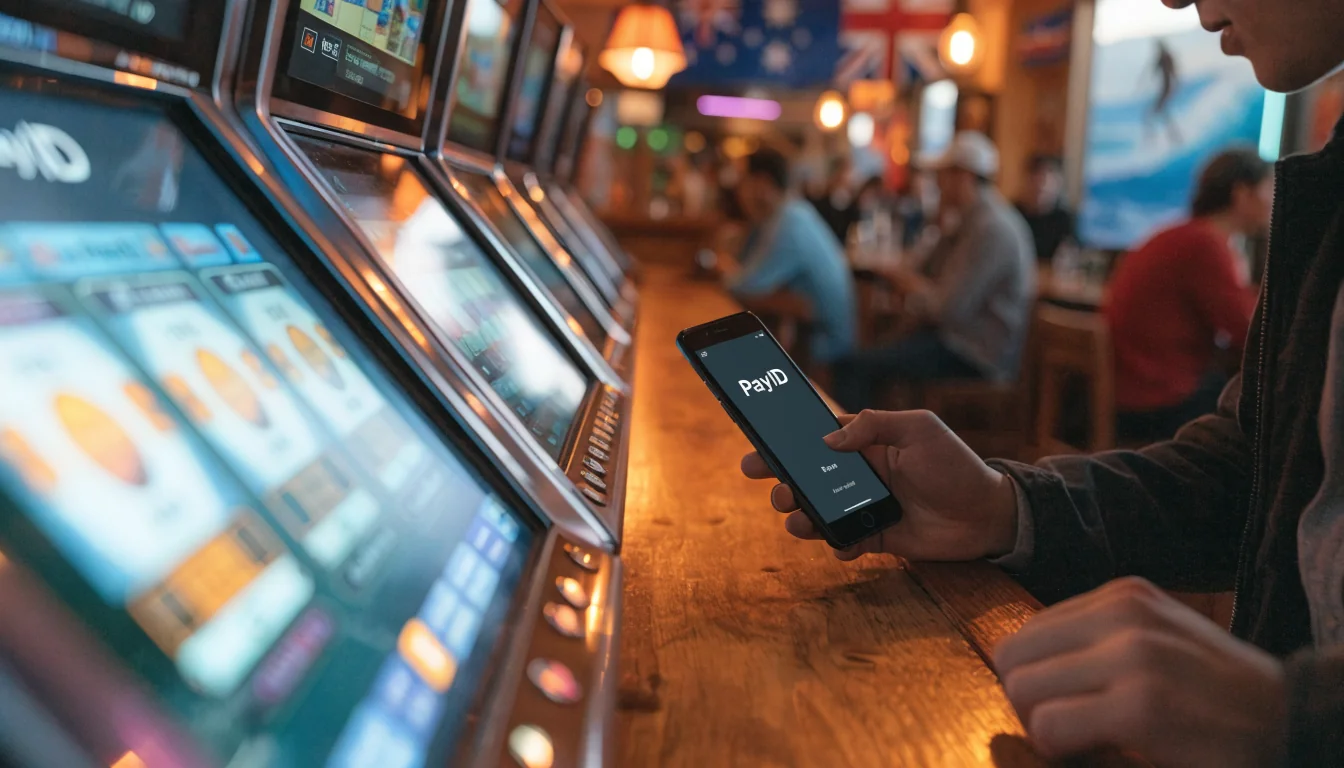
I mention this not to cast suspicion on ordinary players — the overwhelming majority just want to spend an evening at a machine — but because it explains why the regulatory conversation around pokies has shifted so hard toward traceability in the last few years, and why "cashless" keeps appearing in every policy document touching this space.
Where the fix is heading
According to facctum.com, adoption of cashless, account‑based pokies improves traceability and reduces the anonymity that makes cash‑fed machines useful for laundering. Again, one source, one claim — I’m not presenting this as an industry consensus, just as what that provider has said about the direction of travel. It lines up with the general regulatory posture: watchdogs recommend tighter customer due diligence, closer transaction monitoring, and a push toward cashless gaming systems generally. None of that is unique to pokies — it’s the same playbook AUSTRAC and state regulators apply across cash‑heavy gambling products — but pokies are where the volume and the cash intensity make the case most starkly.
None of this changes the legal status of pokies themselves. They remain a licensed, state‑regulated physical product, operating in pubs, clubs and casinos under rules that long predate the current wave of mobile gambling apps. What’s changing is the compliance layer sitting on top of them — identification, monitoring, and a slow move away from anonymous cash. The machines aren’t disappearing. The paper trail around them is getting longer.
That distinction — physical pokies under state licensing versus the apps discussed elsewhere in this piece — is worth holding onto. They share a name in casual conversation. They don’t share a regulator, a licensing pathway, or, increasingly, a payment method.
Mobile Slot Apps for Real Money: How They Fit into the Australian Market
A "real money slots app" is a phrase that gets typed into search bars far more often than it gets explained honestly. Strip away the marketing copy and what’s actually being asked is simple: can I put money into a slots app on my phone and get money back out, legally, in Australia. The answer doesn’t change depending on whether the product is a slick app with a native install or a browser tab pretending to be one. The Interactive Gambling Act 2001 doesn’t care about the delivery format. It makes it an offence for an operator to offer real-money gambling — slots included — to someone sitting in Australia, whether that offer comes through a website, an app, or a chatbot. "App" is a technical distinction, not a legal one.
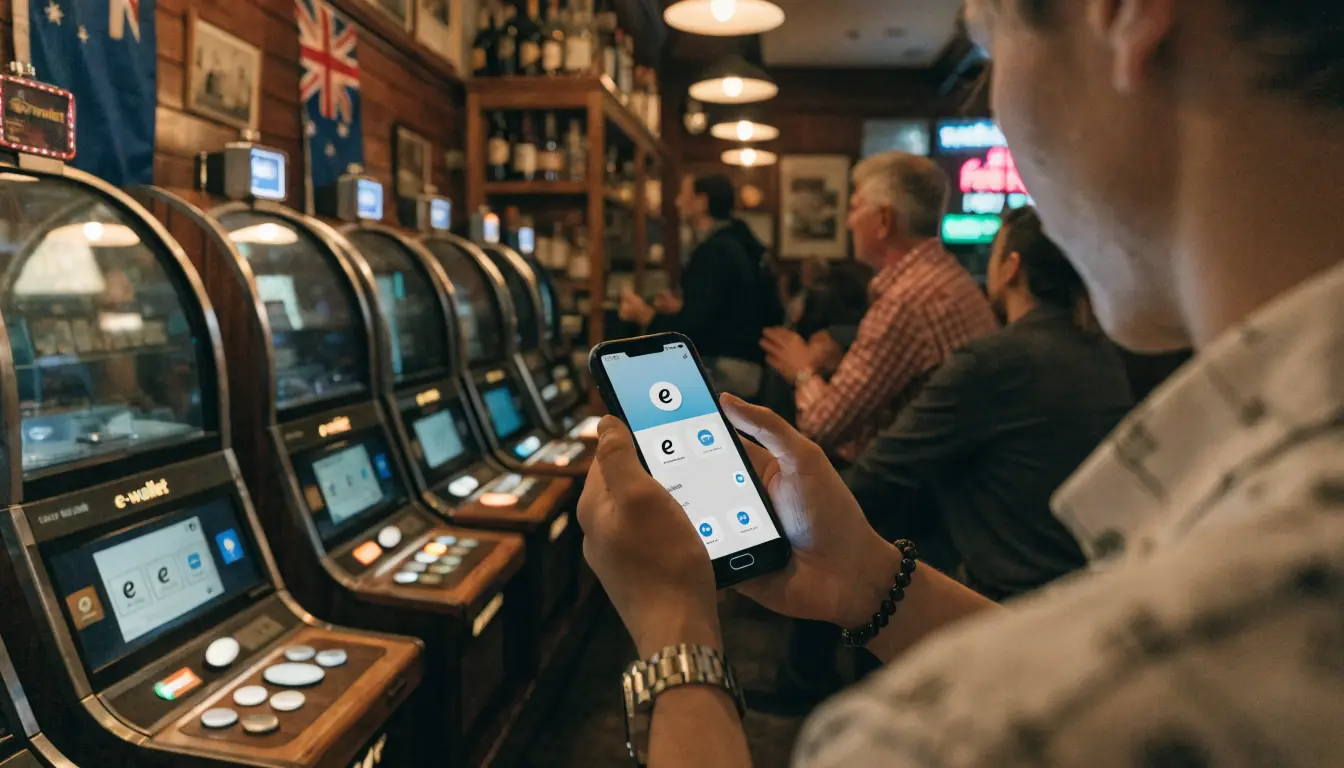
That matters because a lot of the search traffic around phrases like "slot machine app win real money" or "real money slots app iphone" assumes there’s a separate, cleaner category of product that sidesteps the restrictions covering online casinos generally. There isn’t. If the underlying activity is a slots game where a resident deposits, spins, and withdraws real currency, it sits under the same prohibition as any other online casino offering. The app wrapper changes nothing about who’s allowed to provide it.
Why the app format still gets asked about separately
Mobile apps do have their own mechanics worth separating from the broader casino-app conversation, even though the legal answer is identical. Three things make the mobile slots category distinct in practice:
- Distribution. Apps live in app stores with their own review and geo-restriction policies, which is a layer of friction that a browser-based site doesn’t have. A site can be reached from any device with a browser; an app has to be published, approved, and made discoverable in a store that applies its own rules on top of local law.
- Session behaviour. Mobile play tends to be shorter and more frequent — pulled out during a commute or a break — compared with desktop sessions. That’s a pattern, not a regulation, but it shapes how these products are designed and marketed, including the “free play” mode that most of them lead with.
- Payment rails. A phone-based product is more likely to be built around a linked account, a stored payment method, or an in-app wallet than a desktop site is. That has a direct bearing on traceability, which is where the regulatory conversation about pokies more broadly actually connects to the app format.
That last point is the one worth sitting with. Pokies, as a category, moved through an old model of cash-in, cash-out anonymity for decades. Regulators have been pushing the other way — toward cashless, account-based systems, precisely because an account trail is traceable and a pocket full of coins isn’t. One industry source, facctum.com, frames this shift as a deliberate reduction in anonymity: account-based machines log deposits, gameplay, and withdrawals as a continuous record rather than a series of untraceable cash events. Whether that framing holds up as "the" reason regulators favour cashless systems, or just one factor among several, isn’t something I’d state as settled — it’s one source’s read on the direction of travel, not a rule written into law.
What is consistent is that regulators have recommended, across the board, tighter customer due diligence, ongoing transaction monitoring, and a general move toward cashless gaming systems. An app, by its nature, is already account-based. Every deposit, spin, and cash-out happens inside a login, not a coin slot. In that sense, a mobile slots product — legal jurisdiction aside — sits on the more traceable end of the spectrum by default, not by special design.
Where the money actually goes
The scale of the pokies market gives some sense of why this traceability question gets attention at all. In the 2020–2021 financial year, total player losses from electronic gaming machines in Australia came to around AUD 12 billion, working out to roughly AUD 608 lost per person on a per-capita basis. One later figure — AUD 191.2 billion in gambling turnover attributed to pokies in 2023, reported by complyadvantage.com — points to a market operating at a scale most single products never approach. I’d treat that number as a signal of size, not as a benchmark to plug into calculations about any individual app; the turnover figure covers the pokies category broadly, not mobile slots specifically, and the source is one compliance-focused publisher rather than an official tally.

None of this turnover or loss data is unique to apps — it describes the pokies sector as a whole, land-based machines included. But it’s the backdrop against which any "real money slots app" claim has to be read. A market moving that much money is a market regulators watch closely, and non-compliant operators in that space face remedial directions, infringement notices, civil fines, and reputational damage that doesn’t stay contained to one product line.
What doesn’t change, regardless of platform
A few things stay constant whether the interface is a browser tab or a downloaded app:
- Winnings, where they’re legally realised, aren’t taxed at the player level in Australia — that’s a player-side fact, separate from how operators are taxed, which varies by state and by the type of gambling service being offered.
- There’s no domestic path to a real-money online slots licence, app or otherwise, and no local register to check an app against for that reason.
- “Free play” versions of slots apps — the mode most of these products lead with in app-store listings — are a different animal from a real-money offering, and the free-to-play label is doing a lot of quiet work to keep a product on the right side of app-store policy without it necessarily meaning the underlying game or its real-money variant is available legally to an Australian account.
The practical upshot for anyone searching "slots app real money" from a phone in Australia is that the format doesn’t unlock anything the desktop version couldn’t. It’s the same restriction, just carried in a pocket.
What Makes a Real‑Money Casino App the ‘Best’ in Australia
Ask ten players what makes an app "the best" and you’ll get ten different answers: graphics, game count, how fast the app loads on a mid-range phone. None of that is wrong, exactly. It’s also not the question that matters first in this market.
The question that matters first is whether the app can legally exist for an Australian user at all. Under the Interactive Gambling Act 2001, offering real-money casino games — slots, roulette, blackjack, live dealer tables — to an Australian resident is an offence for the operator. Not a licensing technicality, not a fine-print condition. An offence. So "best" rankings that lead with bonus size or app store rating are answering a question nobody should be asking yet. The prior question is whether the thing is operating within the law, and for a domestically licensed real-money casino app, the honest answer is that no such product exists to rank in the first place.
That reframes what "best" can even mean here. It stops being a taste comparison and becomes a compliance check. Two things actually matter:
- Regulatory posture. Does the operator acknowledge the legal restriction, or does it dress up an offshore product as if it were locally sanctioned? Silence on this point is itself an answer.
- Consumer-protection behaviour. How an operator handles disputes, verification, and problem-gambling signposting says more about reliability than any interface review does. Non-compliant operators face remedial directions, infringement notices, and civil fines — and the reputational damage tends to outlast the penalty.
One genuinely favourable fact for players sits underneath all this: winnings from gambling in Australia are not taxed. Whatever else is uncertain about an app’s standing, that part of the arithmetic stays simple.
I’ve seen "best of" lists built entirely on affiliate payouts, with the compliance section reduced to a disclaimer nobody reads. That’s the pattern worth recognising: a ranking optimised for clicks looks identical to a ranking optimised for player safety, right up until something goes wrong with a withdrawal.
So the criteria worth using aren’t subjective at all. They’re the same two questions a regulator would ask: is this legal for the user, and does the operator behave as if consumer protection is a cost or a duty. Everything else — themes, jackpots, loading times — is decoration on top of that answer.
Choosing the Top Real‑Money Slot Apps: Key Features to Look For
Choosing a real money pokies app comes down to more than flashy games — payout speed, deposit thresholds, and welcome offers all shape how smooth your experience will be, so it pays to know what each operator actually brings to the table.
Bonus: up to A$750 + 50 jackpot spins, 35x wagering · Payout speed: crypto ~90 minutes, fiat 1-5 days · Min. deposit: A$30 Offers a solid welcome package with jackpot spins on top, and crypto players benefit from a notably quick payout turnaround alongside a manageable minimum deposit.
License: Curacao Gaming Control Board OGL/2023/174/0082 (Dama N.V.) · Bonus: up to A$5,000 + 300 free spins across 4 deposits Licensed under Curacao’s Gaming Control Board via Dama N.V., this operator stands out for a large multi-deposit bonus structure spread across several deposits plus a generous free spins allotment.
License: Curacao Gaming Control Board OGL/2023/176/0095 (Hollycorn N.V.) · Bonus: up to A$11,000 + 300 free spins (code NEO100) Operating under a Curacao Gaming Control Board license through Hollycorn N.V., it backs its offering with one of the larger bonus figures on this list plus a redeemable code for free spins.
License: Curacao Gaming Control Board OGL/2023/176/0095 (Hollycorn N.V.) · Bonus: 100% up to A$10,000 + 100 free spins Also licensed via Hollycorn N.V. under the Curacao Gaming Control Board, it pairs a sizeable percentage match bonus with a straightforward free spins add-on.
Bonus: up to A$7,500 + 550 free spins across 10 deposits, 50x wagering · Payout speed: crypto under 1 hour, PayID 1-3 business days · Min. deposit: A$20 (A$30 to qualify for the bonus) Stands out for a bonus spread across numerous deposits, fast crypto withdrawals, and PayID payouts processed within a few business days, all on a low minimum deposit.
License: Curacao Gaming Control Board (TechSolutions Group N.V.) · Bonus: 100% up to A$250 + 100 free spins (1st deposit) Licensed through Curacao’s Gaming Control Board under TechSolutions Group N.V., with a first-deposit bonus that includes a batch of free spins.
License: Curacao eGaming (Roby Games Ltd) · Bonus: 100% up to A$750 + 200 free spins Holds a Curacao eGaming license under Roby Games Ltd and pairs its deposit match with a healthy number of free spins.
License: Curacao eGaming (Dama N.V.) · Bonus: up to A$10,000 + 180 free spins, 40x wagering Licensed under Curacao eGaming via Dama N.V., offering one of the higher bonus ceilings on this list along with free spins tied to a defined wagering requirement.
Bonus: 100% up to A$750 + 200 free spins, 35x wagering · Payout speed: crypto 30-120 minutes, fiat 24-72 hours · Min. deposit: A$30 Delivers a balanced welcome bonus with free spins, backed by fast crypto payout times and a reasonable minimum deposit for getting started.
License: Curacao OGL/2024/1335/0780 · Bonus: up to A$1,000 + 150 free spins, wager-free · Min. deposit: EUR 20 Operates under a Curacao license and offers a wager-free bonus structure with free spins, making its terms notably straightforward.
Search for "best slots app real money" long enough and every page starts sounding the same: bright graphics, big win numbers, a list of games. None of that tells you whether the app is even allowed to take money from an Australian player. That question comes first, before features, before design, before anything.
Under the Interactive Gambling Act (2001), an online operator commits an offence by offering real‑money slots, roulette or blackjack to Australian residents. This isn’t a licensing detail buried in terms and conditions — it’s the reason a "top" real‑money slots app for this market, in the sense people search for, doesn’t legally exist. Any app claiming domestic real‑money slot play for Australians is either misrepresenting its status or operating outside the law that governs it. Worth saying plainly, once.
What’s left, then, is judging real‑money gambling apps by the same standards used for pokies venues and other regulated formats — because those are the products actually built for this market.
Features that matter, once legality is settled
- Traceability of funds. Account‑based systems record deposits, gameplay and withdrawals in full. That traceability protects the operator from money‑laundering exposure and gives the player a verifiable history instead of a black box.
- Clear identity checks. An app that asks for verification before a withdrawal is doing what compliant operators are required to do — not adding friction for its own sake.
- No tax surprises. Winnings in Australia aren’t taxed, so any app implying a “tax on winnings” or building fees around one is either confused or misleading.
- Transparent terms before deposit. Wagering conditions, withdrawal rules and identity requirements should sit up front, not surface after money has moved.
None of this is about jackpot size or reel animation. Those are marketing. The features that actually distinguish a compliant, traceable, verifiable app from a shortcut are the ones nobody puts on the homepage banner.
Online Casino Apps vs. Traditional Platforms: Advantages for Australian Players
The comparison people usually want is "app versus desktop." The comparison that actually matters here is "domestic versus offshore," because that’s the line the Interactive Gambling Act 2001 draws — and no app, mobile or otherwise, moves it.
Land-based pokies venues sit inside state and territory regulation, with the compliance machinery that comes with a physical licence. A traditional desktop casino platform offering slots or roulette for real money to Australian residents doesn’t have that domestic backing — there’s no licence to display, because none exists for this kind of product here. An app changes the interface, not the jurisdiction. Same operator, same offence under the Act, whether it’s accessed through a browser tab or a phone icon.
So the honest advantages of an app aren’t legal ones. They’re practical: notifications, faster loading on mobile networks, session tracking built into the device rather than a browser history someone has to remember to clear. None of that changes an operator’s compliance standing. A "seamless mobile experience" is a genuine feature. It is not a substitute for a licence that isn’t there.
Non-compliant operators — app-based or not — face remedial directions, infringement notices, civil fines, and reputational fallout when regulators catch up.
Convenience, yes. Compliance, no. Different questions entirely.
Slot Apps That Actually Pay: Understanding Payout Mechanics and Risks
Nobody offering a "guaranteed payout" slot app is telling the whole story. Under the Interactive Gambling Act, no real-money online casino operator can legally serve Australian residents — so "payout mechanics" for a compliant app really means something narrower: how withdrawals get processed, verified, and flagged before money moves at all.
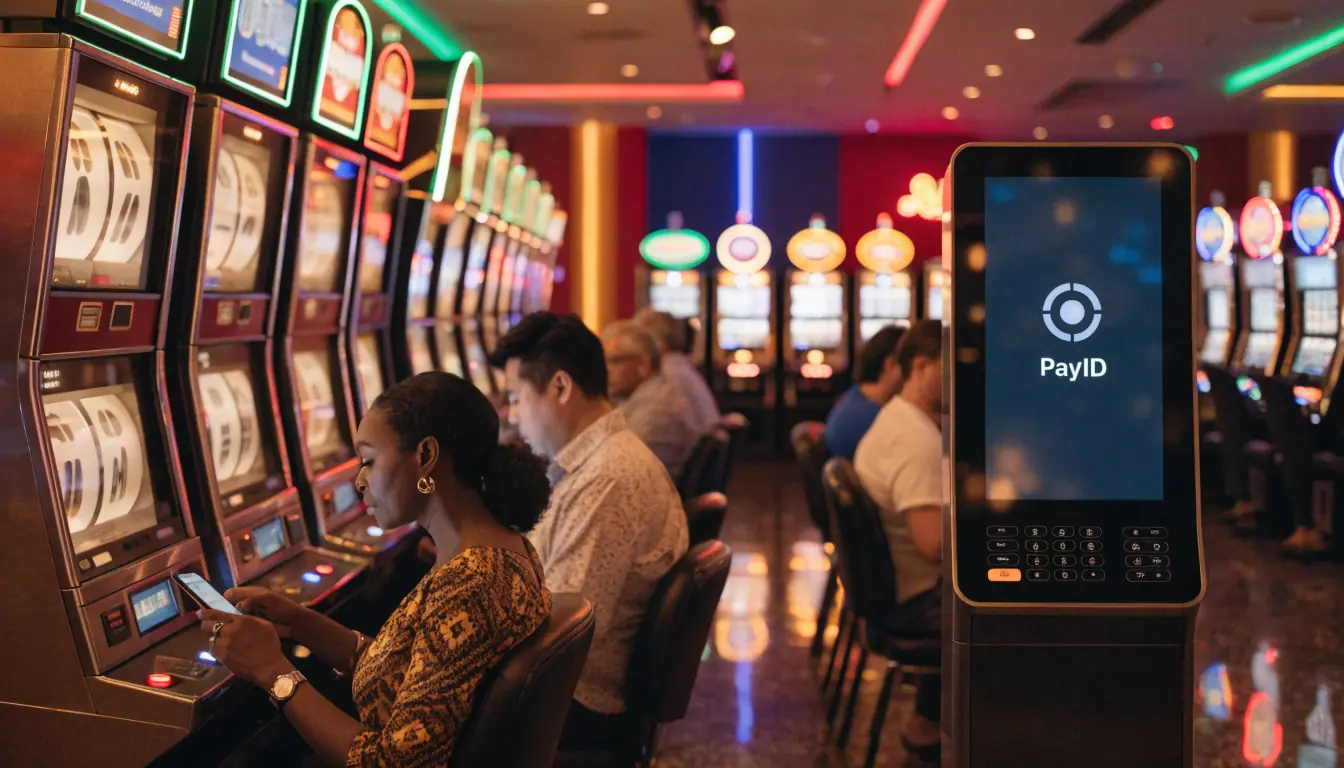
That verification step is where most of the friction lives, and for good reason. Large or repeated cash insertions followed by almost no play and an immediate cash-out is a textbook red flag — it looks less like gambling and more like laundering dirty money through a machine. Same with frequent small redemptions spread across different venues in a short window. Either pattern gets a transaction flagged, reviewed, sometimes frozen.
A player chasing fast cash-outs will read this as an obstacle. It isn’t. It’s the reason a payout eventually clears instead of sitting under compliance review indefinitely.
Finding the Most Profitable Slot Machine Apps: Factors that Influence Wins
There’s no app that reliably outperforms another in raw win rate — nobody publishes that data, and any list claiming otherwise is guessing. What actually varies is how much friction sits between a player and their own money, and that friction is worth paying attention to.
According to facctum.com, cashless, account-based systems improve traceability and cut down on anonymity compared to cash-fed machines. Everything moves through a tracked account: deposits, play, withdrawals. That’s not a marketing feature. It’s a compliance mechanism, dressed up as convenience.
Verification works the same way. A refusal to provide ID, or someone juggling multiple player cards, gets flagged — because that behaviour looks like laundering, not gambling. So the "best app to win real money" question quietly turns into a different one: which app makes you prove who you are before it lets you touch a payout.
Fewer shortcuts around identity checks. Slower withdrawals, cleaner record.
Defining the Best Real‑Money Casino App: Core Criteria and Player Benefits
Ask what the best real-money casino app actually pays out, and the honest answer starts with the tax line. Winnings in Australia aren’t taxed. That’s not a marketing point, it’s a fact of the system — the app doesn’t need a "tax-free" badge to make it true, and any app implying otherwise is selling you a feature that already belongs to every player by default.

Compliance is where "best" stops being subjective. Operators are taxed differently depending on the state and the type of gambling service involved — a patchwork, not a single rulebook. That patchwork is exactly why no domestic app can legally offer casino-style real-money play here in the first place.
So the honest criteria narrow fast: does the operator sit inside a jurisdiction that actually issues gambling licences, does it verify identity before paying anyone out, does it disclose terms plainly rather than in a footnote.
Everything else is styling.
Sign‑Up Bonuses in Australian Casino Apps: What Players Must Know
A "welcome bonus" is the first thing marketing shows a new player, and the last thing anyone explains properly. That’s not an accident.
There’s no domestic licence for real‑money online casino games in Australia, which means no local regulator is standing behind that bonus offer, checking its terms before it reaches a player’s screen. Any app promoting one to an Australian resident is already operating outside the Interactive Gambling Act 2001.
Wagering requirements must be shown clearly before a bonus is offered — that’s a baseline consumer‑protection expectation, not a courtesy. Operators who breach compliance rules face remedial directions, infringement notices, civil fines, and reputational damage that tends to outlast the fine itself.
The scale of the risk isn’t trivial. An amendment to the Casino Control Act 1992 lets NSW fine casino operators up to AUD 100 million for compliance failures. That number exists for a reason: bonus terms are one of the easiest places for a breach to hide.
No fine reaches an offshore operator taking Australian sign‑ups anyway.
Is online gambling legal in Australia?
Online casino gambling is illegal for operators to offer to Australian residents under the Interactive Gambling Act 2001, and there is no domestic licence for online casino games. The law targets operators, not players, so an Australian playing at an offshore-licensed casino app is not committing an offence, while sports betting and lotteries have their own state and territory licensing pathways.
How can a player verify that an online casino holds a valid licence in Australia?
There is no valid Australian online casino licence to verify — no domestic licence for online casino games exists at all. If an app claims to be “licensed”, the licence is issued somewhere else (Malta, the UK or offshore jurisdictions) and tells you about oversight in that country, not about legality under Australian law.
Can I play on an Australian online casino on mobile?
Yes, apps marketed to Australians exist and using one is not an offence for the player — the offence sits with the operator offering real-money gambling into Australia. Note that many such apps vanish and reappear under new names, often as a business response to enforcement pressure, so treat any “fully compliant” claim with caution.
Written by the editors at Casino Rankings Info.